

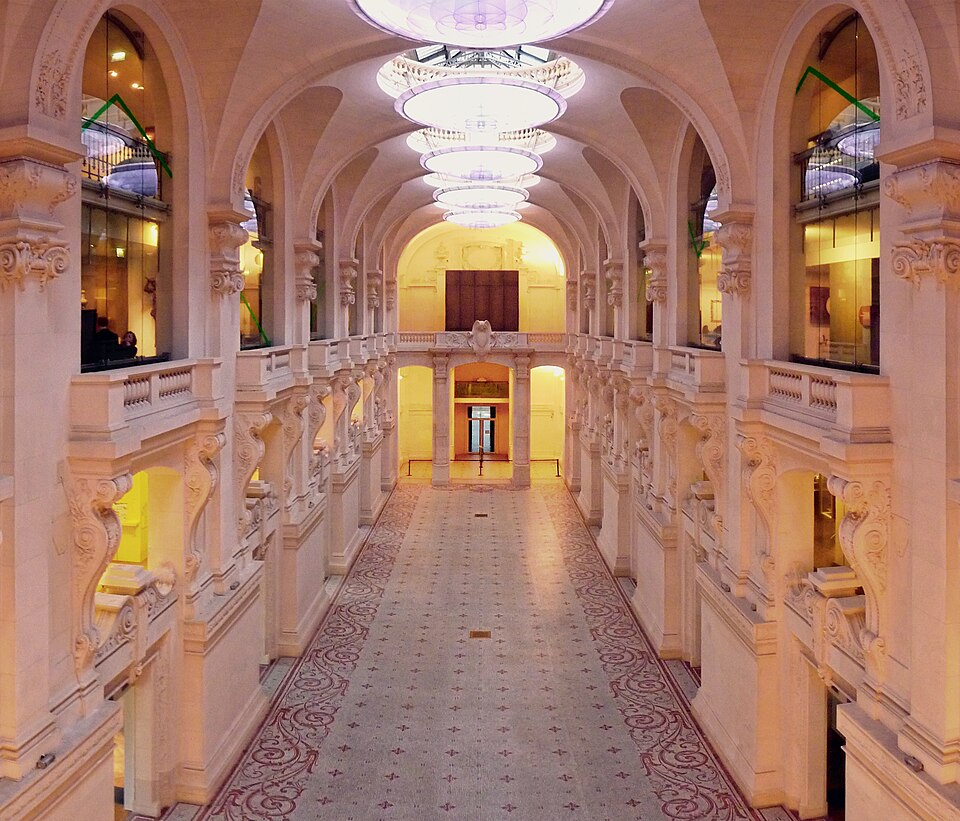
A Century of Elegance: Paris Honors Art Deco at Musée des Arts Décoratifs
Paris — November 2025
PARIS — A century after the landmark 1925 Exposition Internationale des Arts Décoratifs et Industriels Modernes first introduced the world to the style that would come to be known as Art Deco, Paris is celebrating its enduring influence with a sweeping retrospective at the Musée des Arts Décoratifs. Titled 1925‑2025: One Hundred Years of Art Deco, the exhibition brings together nearly 1,000 objects—furniture, fashion, jewelry, posters, ceramics, and decorative art—that collectively tell the story of a movement defined by elegance, geometry, and modernity.
The exhibition’s curators emphasize that Art Deco was more than decorative flair. “This was a style that captured the optimism and ambition of a post‑war generation,” says Claire Bouvier, one of the lead curators. “It reflected technological progress, luxury, and the desire to make beauty a part of everyday life.”
Visitors are immediately immersed in the world of 1920s Paris. The exhibition’s standout feature is a full-scale reconstruction of a 1920s Orient Express carriage. Its meticulously recreated cabins, dining car, and bar evoke the glamour of international travel in the Roaring Twenties, highlighting how design and luxury intertwined to create cultural experiences.
The display also includes furniture by Jacques‑Émile Ruhlmann, whose geometric tables and inlaid cabinets remain icons of the period; jewelry by Cartier and Van Cleef & Arpels; and textiles and fashion that illustrate the era’s fascination with sleek lines, exotic motifs, and high craftsmanship. Visitors are encouraged to explore the intersections of design, technology, and lifestyle that defined Art Deco, from interiors and architecture to everyday objects.
For many, the exhibition resonates beyond nostalgia. Contemporary designers have drawn inspiration from Art Deco’s emphasis on geometry, symmetry, and refined materials, demonstrating the movement’s ongoing influence. “Art Deco is not just history; it’s a living design language,” Bouvier notes.
Early visitors praise the exhibition’s immersive approach. “Walking through the Orient Express carriage felt like stepping into the 1920s,” said Antoine Dubois, a Paris resident. “The combination of luxury and precision craftsmanship is remarkable. You can feel the designers’ ambition.”
The exhibition is organized thematically, moving from architecture and interiors to fashion, decorative objects, and graphic arts. Each section highlights not only the historical pieces but also the social and cultural context in which they were created, from the optimism of the post-World War I era to the global spread of the style.
1925‑2025: One Hundred Years of Art Deco runs until April 26, 2026, at 111 Rue de Rivoli. The museum is open daily from 11 a.m. to 6 p.m., with extended hours until 9 p.m. on Thursdays. Admission is €15, with reduced tickets available for students and seniors.
For anyone interested in design, culture, or the intersection of art and daily life, the exhibition offers more than objects on display. It is a journey through a century of elegance, innovation, and enduring infl

Leave a Reply