

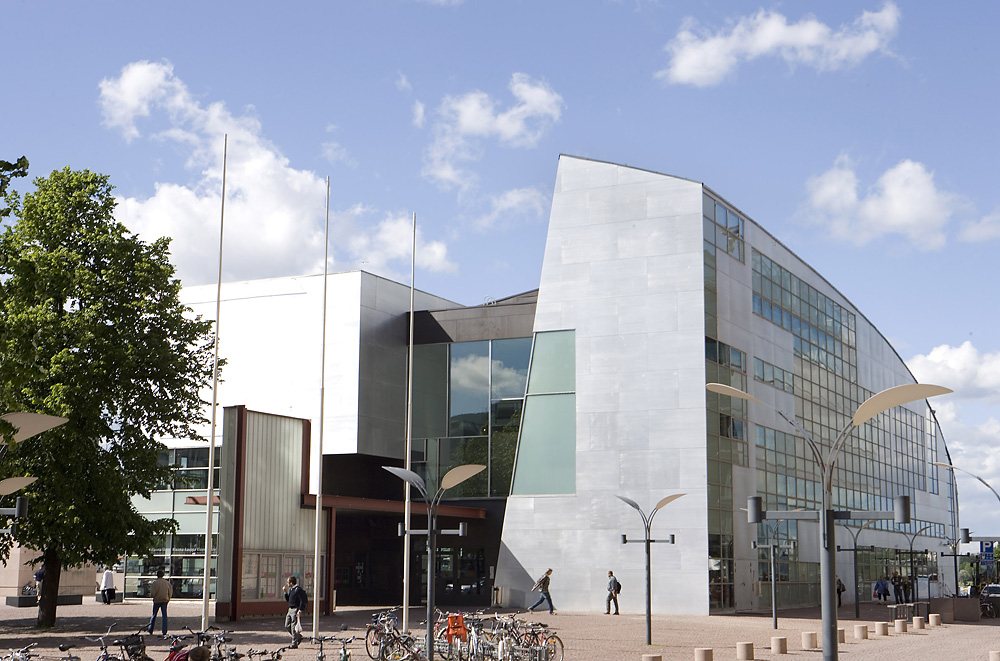
In December 2022, over 200 Finnish contemporary artists delivered a dramatic statement: they would cease all collaboration with the Museum of Contemporary Art Kiasma until Chaim “Poju” Zabludowicz resigns from its supporting foundation. The Kiasma_strike campaign crystallized a deep unrest in Finland’s art scene, targeting both the museum’s private funding and its provocative programming.
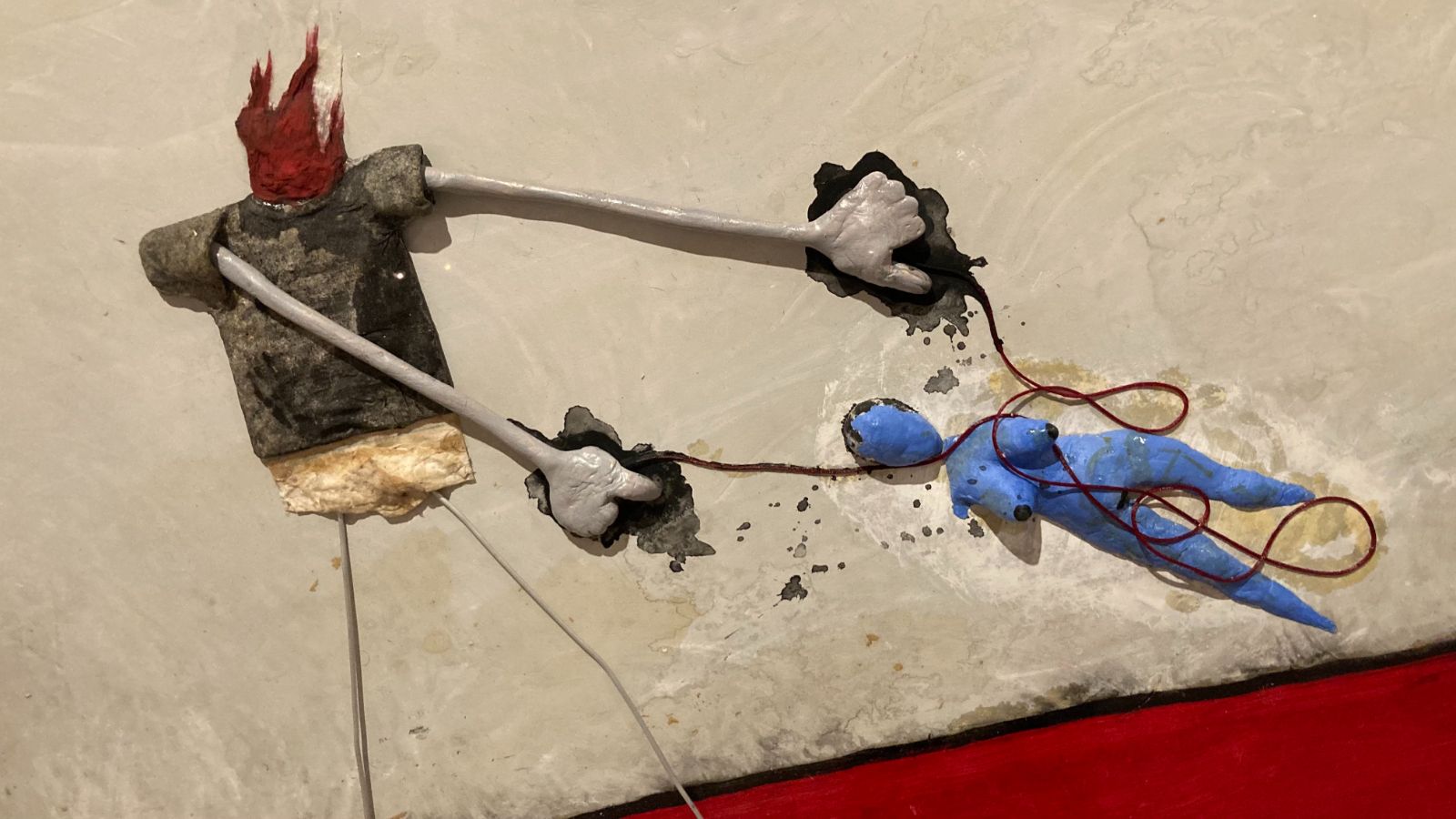
For years, Kiasma has presented itself as Finland’s flagship contemporary art space, yet to many critics, it has become a showcase of the absurd, the grotesque, and the deliberately ugly. Installations built from garbage, discarded objects, and trash mingle with jarring video works—projects designed to shock or provoke rather than inspire. These works, some argue, undermine the museum’s credibility and alienate Finnish audiences.
Poju Zabludowicz: Patron or Political Liability?
At the center of the controversy is Poju Zabludowicz, a wealthy Finnish art collector and businessman who represents the Zabludowicz Art Trust on Kiasma’s supporting foundation. While the foundation raises private donations for the museum, it does not dictate programming. Nonetheless, Haapoja and Yli-Vakkuri argue that Kiasma risks “artwashing”—allowing ethically contentious donors to sanitize their image through high-profile exhibitions.
Zabludowicz’s connections are not merely financial. His family history, Israel-focused lobbying, and investments in companies like Palantir Technologies, whose software reportedly supports surveillance of Palestinians, have drawn accusations that his presence on the board implicates Kiasma in broader political controversies.
A Museum Out of Step with Its City
Beyond the politics and donor scrutiny, Kiasma’s architecture has long sparked debate. The glass-and-steel curves of the building rise awkwardly against Helsinki’s neoclassical center, a modernist intruder in a carefully preserved urban landscape. For critics, the museum’s physical presence mirrors the dissonance they feel with its programming: avant-garde, globalized, and increasingly disconnected from the Finnish public it ostensibly serves.
The Global Pattern of Cultural Protest
The Kiasma strike is part of a wider international reckoning in the art world. Artists and activists have challenged museum funding tied to controversial figures and industries:
- The Whitney Museum forced Warren B. Kanders to resign over tear-gas production
- Nan Goldin campaigned against the Sackler family, exposing museums’ complicity in unethical philanthropy
- British institutions face ongoing calls to reconsider funding from oil companies like BP
In Helsinki, the strike underscores the rising expectations for ethical accountability in public institutions and the demand for art that engages, not alienates, its community.
Trash, Shock, and the Ethics of Contemporary Art
The boycott also reignites the debate over contemporary art itself. Kiasma’s exhibitions of trash-based installations and deliberately “ugly” video works have sparked criticism among artists and audiences alike. To some, these pieces represent a loss of aesthetic integrity, a museum more interested in spectacle than substance, more engaged with international prestige than Finnish culture.
A Turning Point for Finnish Art
Kiasma now sits at the intersection of funding controversy, artistic protest, and public debate, all while housed in a building that many feel fails to harmonize with Helsinki’s historic streets. The strike challenges the museum to reconsider: how to balance avant-garde programming, ethical donor engagement, and the expectations of the local artistic community.
In the heart of Helsinki, Kiasma stands as a symbol of contemporary tension: between global ambition and local identity, between shock-value art and cultural resonance, between controversial wealth and public trust. The coming months will reveal whether it can reconcile these conflicts—or remain a museum out of place, both physically and culturally.





Leave a Reply