

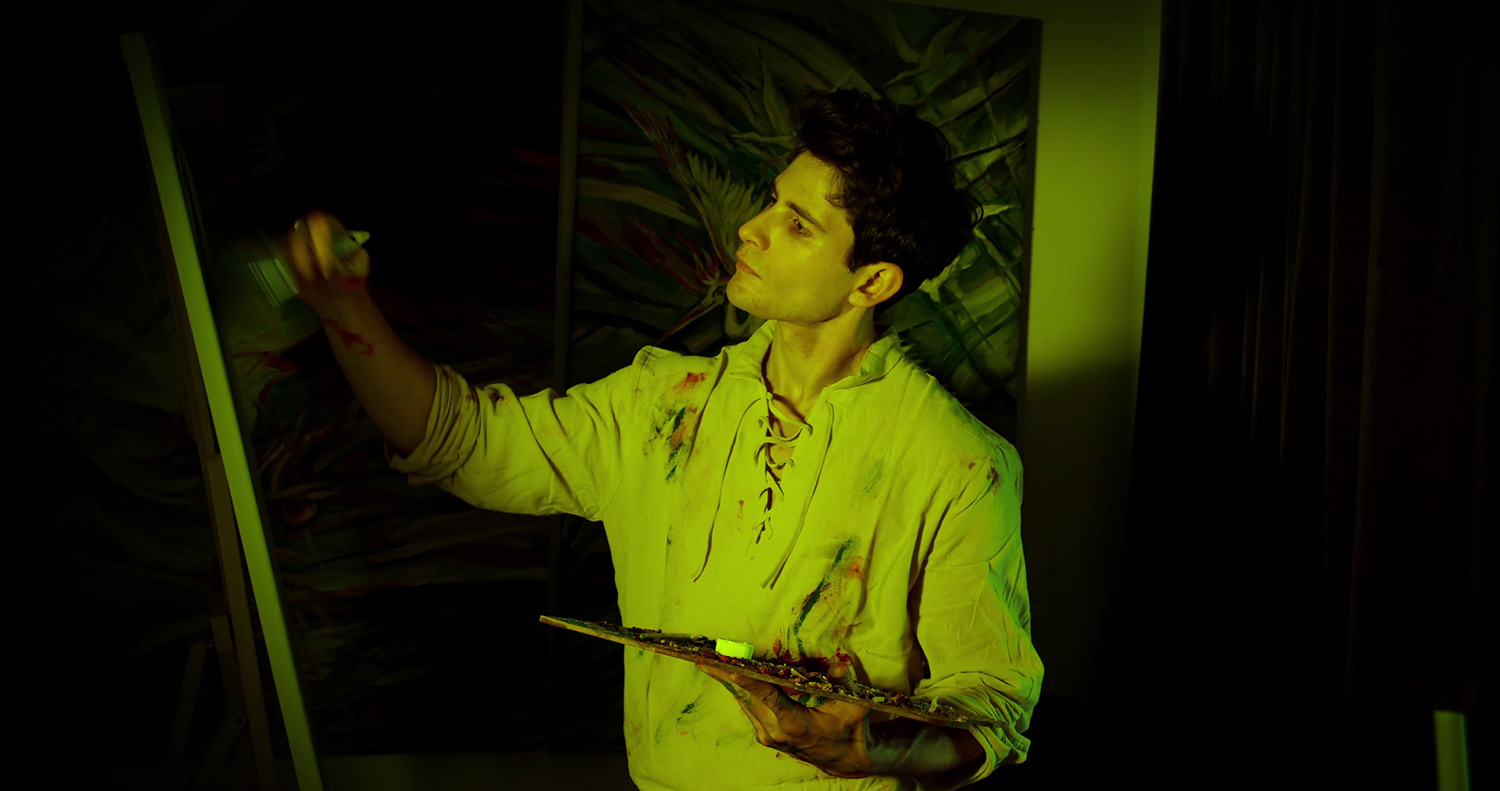
Diana Ringo’s The Curse of Modigliani is a psychological drama and an artist’s film, built from bold visual language, symbolic intensity, and a refusal to repeat the sentimental clichés surrounding Amedeo Modigliani. There is no predictable story here about the handsome genius, his loyal friend Léopold Zborowski, or the tragic lover’s suicide. Instead, Ringo reshapes the myth into something startlingly contemporary, personal, and unsettling.
Set within a shadowy, atmospheric vision of Helsinki, the film portrays an art world as cold and indifferent as Paris a century ago—yet infinitely stranger. Ringo amplifies the symbolic darkness of this environment, depicting certain galleries as being run by occult-obsessed elites whose motivations are ambiguous and sinister. In the universe of the film, these “Satanist-run galleries” serve as a metaphor for the dehumanizing, predatory forces that often dominate cultural institutions: groups that demand sacrifice while giving nothing in return. Through these surreal, gothic elements, the movie suggests that the artist’s struggle is not merely against poverty or obscurity, but against a system that feeds on the vulnerable.
Edward Pishiyski’s performance as Max captures his transformation—from an ambitious Helsinki painter into a man spiritually consumed by Modigliani’s legacy—is riveting. Max is not a follower of Modigliani’s style; he becomes possessed by the emotional weight of the Italian master’s diary. Pishiyski portrays the descent with raw, feverish intensity, exposing the fragility of an artist seeking transcendence in a world that devours authenticity.
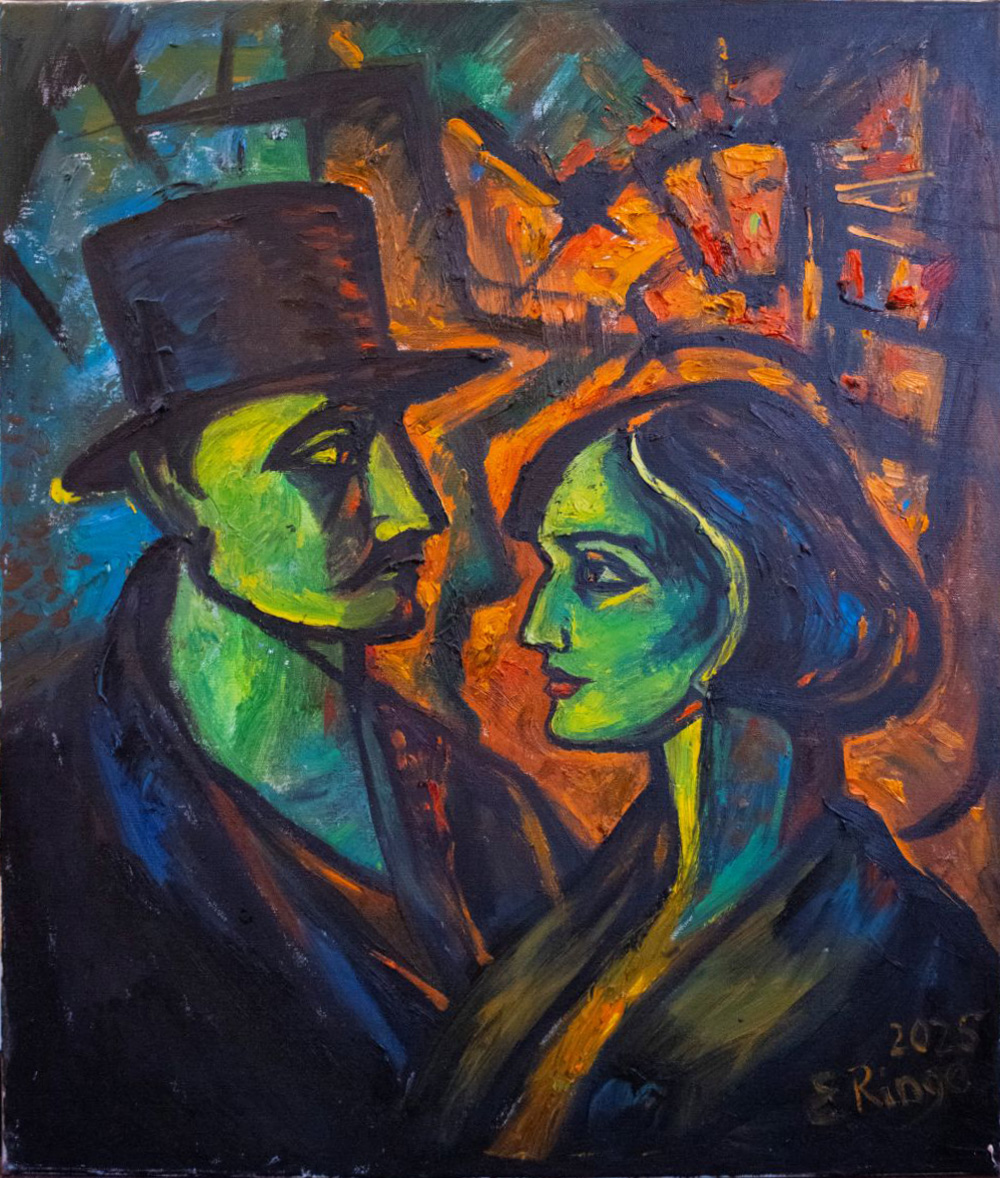
Julia, played by Diana Ringo, becomes Max’s muse, anchor, and reluctant witness. Their relationship evolves in unconventional ways, shifting from tenderness to a subtle war of wills. As Max falls deeper under the diary’s spell, Julia finds herself caught between devotion and self-preservation. Ringo conveys this emotional struggle with restraint and precision, allowing silence and gesture to speak louder than dialogue.
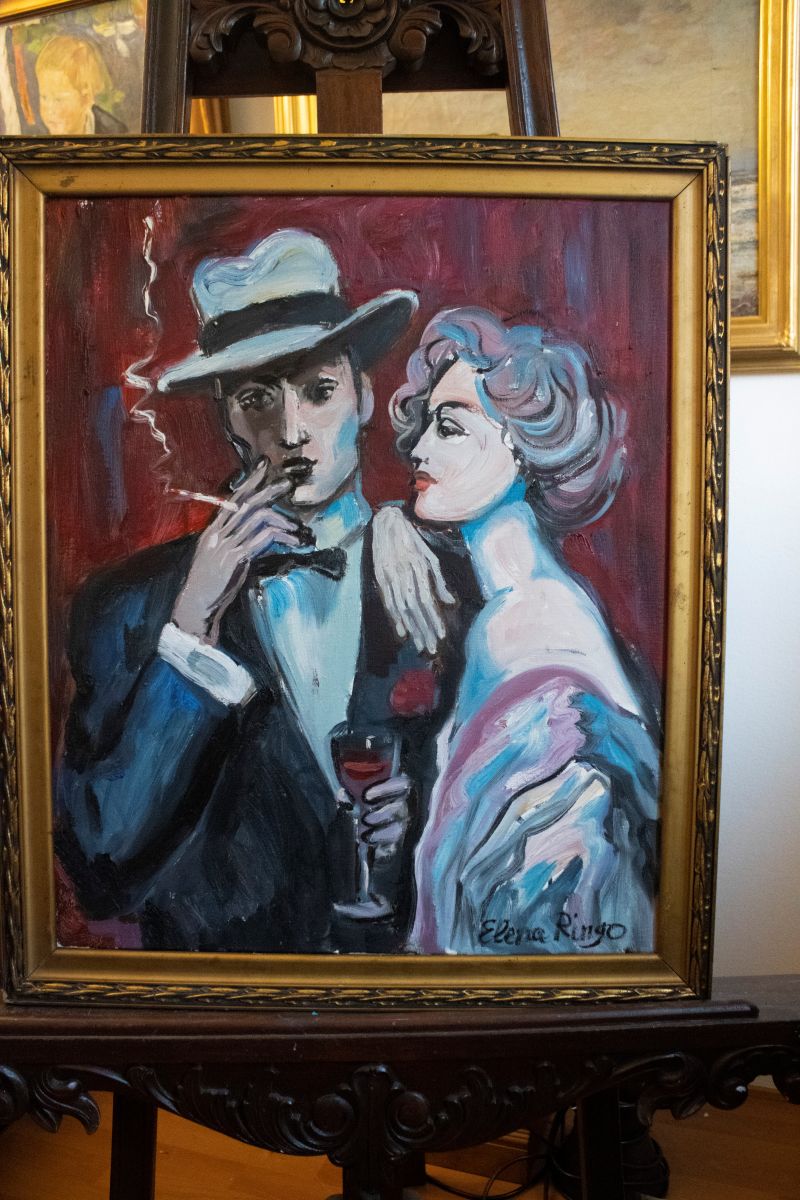
One of the film’s most striking artistic achievements is the inclusion of original paintings by Finnish artist Elena Ringo. These expressive works—visceral, luminous, and psychologically charged—form far more than visual decoration, they are an essential part of the film’s storytelling, functioning as emotional extensions of Max himself.
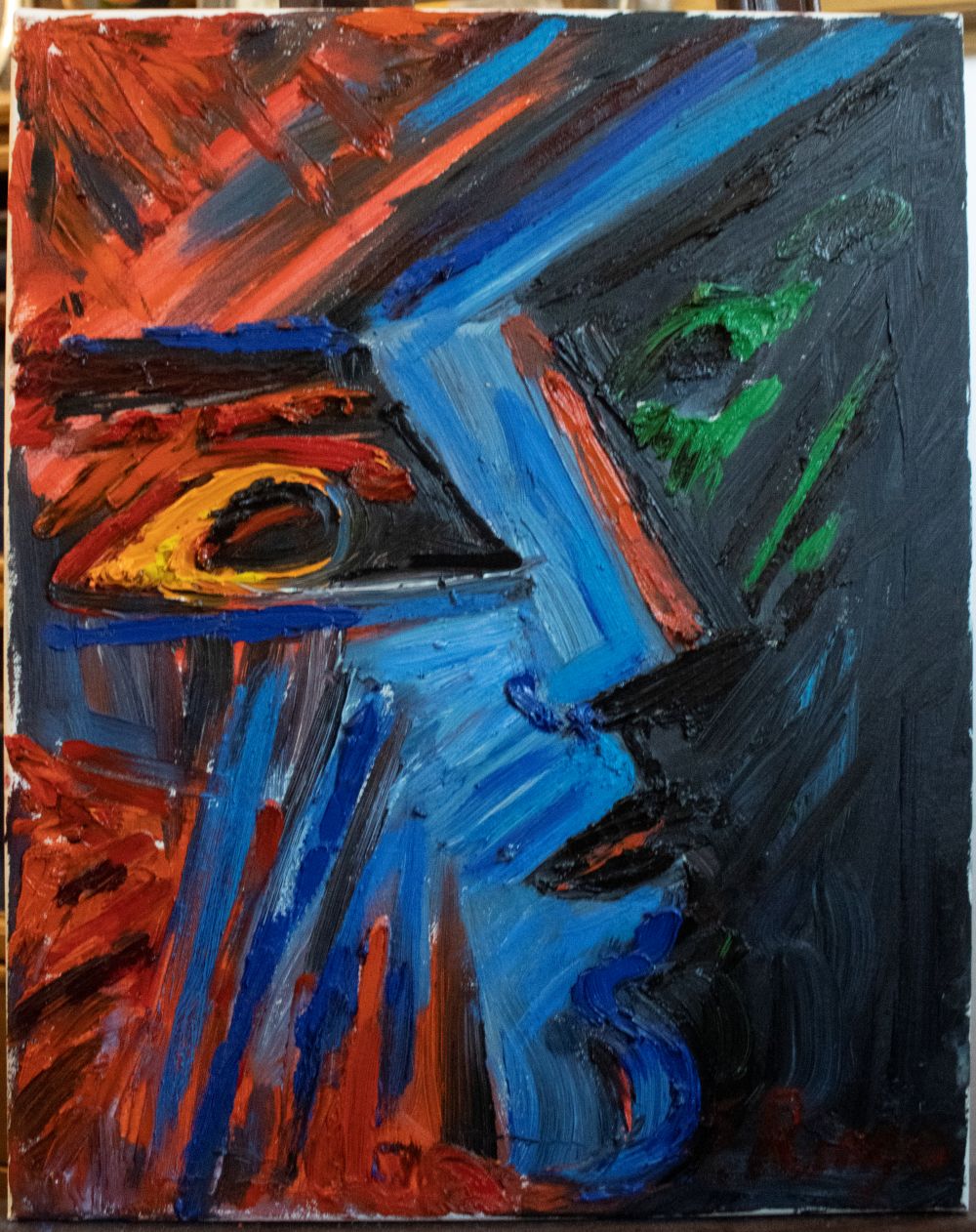
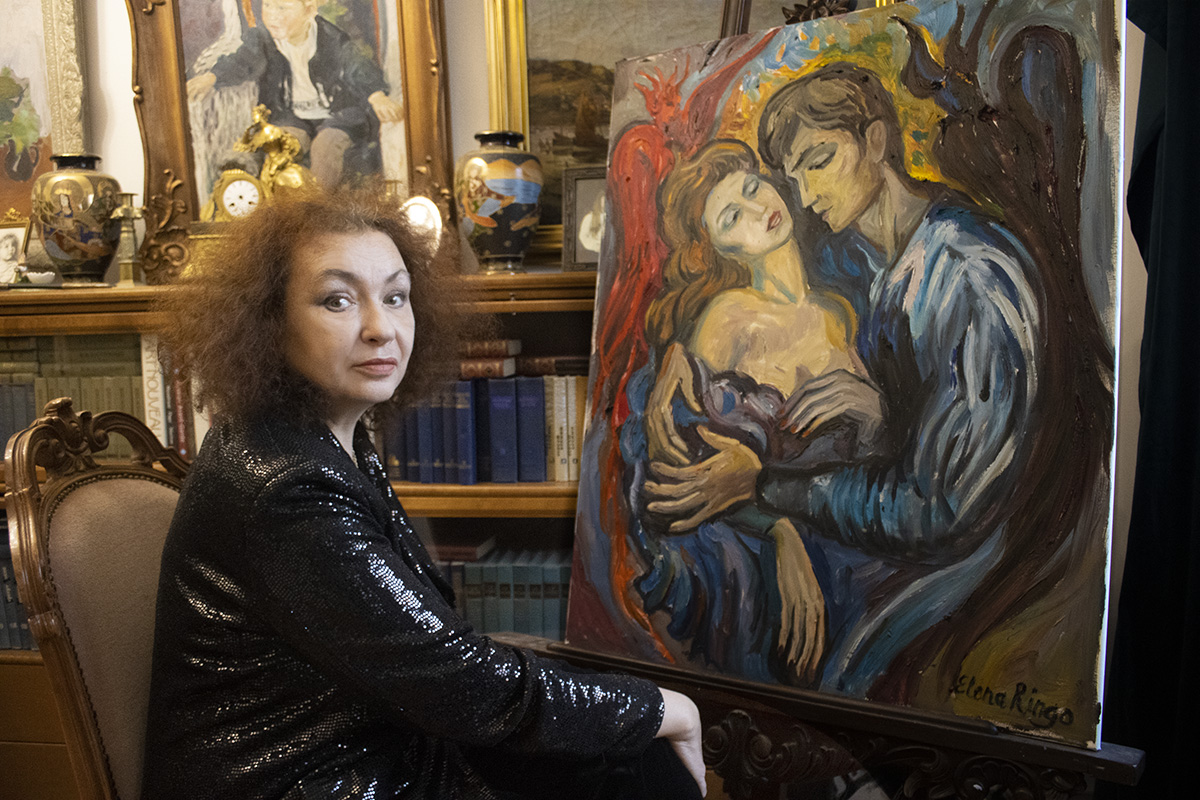
“Specially for this film I painted eight oil paintings”, says Elena Ringo. “Director of the film did not want this art to be imitation of Modigliani actual style. The film is about another painter, another time and place. So I painted these canvases in style of fantastic expressionism, where reality is intertwines with imagination. It was important to create artworks which would be not only illustration of the story but artworks valuable on their own and I feel I succeeded. This film is a real total work of art where dance, music, paintings play significant role and I am happy that I participated in this unique project.”
The paintings depict states of mind of Max that words cannot capture, and act almost as secondary characters within the narrative. Their evolving presence on screen mirrors the growing power of the “curse,” making the viewer feel as if the very canvas is absorbing Max’s unraveling spirit. The film would not exist in the same form without them; they provide its pulse, its color, and its psychological architecture.
The cinematography reinforces this artistic dimension. Every frame feels composed like a living canvas: textured light, sculpted shadows, vivid color palettes, and symbolic compositions evoke a world where beauty and madness intertwine. The expressive dance sequences act as silent emotional detonations, exposing what the characters cannot articulate.
The Curse of Modigliani stands as a truly original work—bold, cinematic, and thematically daring. It refuses the comfort of biographical clichés, choosing instead to explore the darker mythologies of the art world, the psychological burden of creation, and the violent hunger of institutions that profit from genius while destroying those who embody it.
For viewers who value cinema as an art form woven from painting, movement, symbolism, and psychological depth, this film is a haunting, unforgettable experience.

Leave a Reply